black garlic paste grinding milling machine-how to chose best
Complete overview of the manufacturing process, the critical role of colloid mills, and how to select the optimal equipment for premium quality products
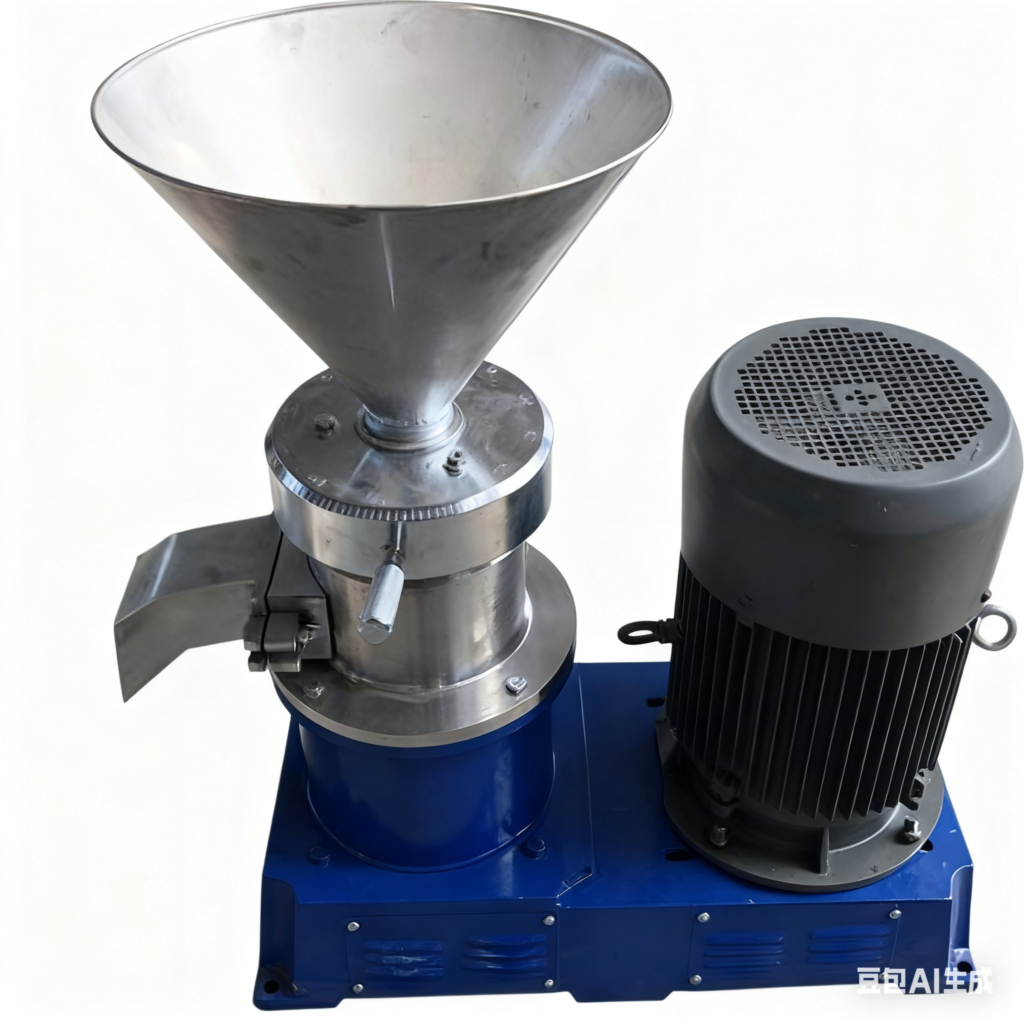
Introduction
Black garlic sauce, a distinctive and nutrient-rich product made from fermented black garlic, has gained significant popularity in culinary applications worldwide. The market success of this product largely depends on its texture and quality consistency. Achieving the perfect smoothness and flavor stability requires specialized equipment, with the colloid mill playing an indispensable role.
This comprehensive guide systematically explains the black garlic sauce production process, delves into the core functions of colloid mills, and provides a detailed framework for selecting the optimal equipment for your specific needs.
Black Garlic Sauce Production Process
A mature and efficient black garlic sauce production line transforms fermented black garlic into a consistent, high-quality end product with exceptional sensory characteristics.
1 Raw Material Preparation
Select fully fermented, high-quality black garlic as the primary ingredient. Prepare auxiliary ingredients according to your recipe formulation.
2 Coarse Grinding & Mixing
Use a chopper or coarse grinder for initial mixing and size reduction, creating a uniform paste suitable for fine grinding.
3 Colloid Mill Processing
The core step where the paste undergoes micro-pulverization, emulsification, and homogenization in the colloid mill.
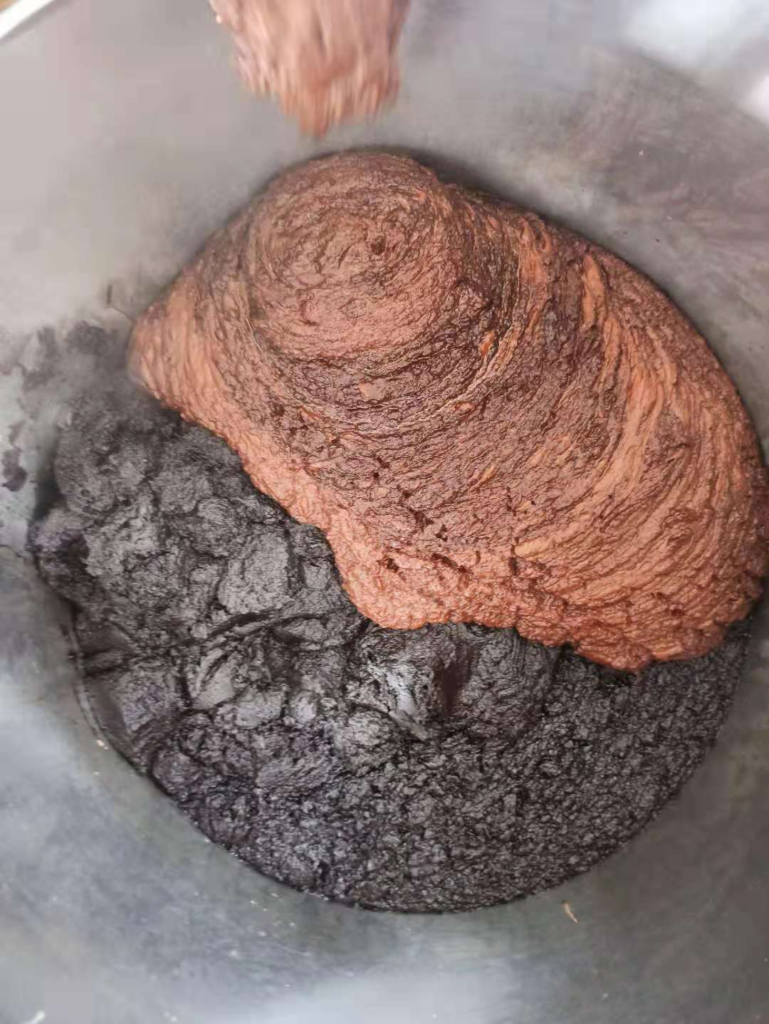
4 Seasoning & Final Mixing
Transfer the ultra-fine sauce to a mixing tank and add seasonings for final flavor adjustment and homogenization.
5 Sterilization & Filling
Apply pasteurization or UHT treatment to ensure microbial safety, followed by aseptic or hot filling processes.
6 Cooling & Packaging
Rapidly cool the product, then proceed with labeling, coding, and final packaging before storage and distribution.
Key Process Insight
Recirculation Grinding: For premium products seeking exceptional smoothness, the sauce should be passed through the colloid mill 2-3 times. This recirculation process ensures particle size reduction below 20 microns, achieving a velvety texture that distinguishes premium products in the marketplace.
The Critical Role of Colloid Mills
Colloid mills are not simple grinding devices; they are precision instruments that fundamentally determine the quality characteristics of black garlic sauce.
Key Advantages in Black Garlic Sauce Production
| Feature | Benefit | Impact on Final Product |
|---|---|---|
| Ultra-Fine Grinding | Reduces particles to micron level (2-50μm) | Eliminates graininess, creates exceptionally smooth mouthfeel |
| High Shear Forces | Disrupts plant cell walls effectively | Releases more flavor compounds and nutrients |
| Superior Emulsification | Creates stable oil-water emulsions | Prevents separation, extends shelf life |
| Homogenization | Ensures uniform consistency throughout | Consistent color, texture, and flavor in every batch |
| Increased Yield | More thorough material utilization | Higher production efficiency and cost-effectiveness |
Technical Insight: The working principle of a colloid mill involves a high-speed rotor and stationary stator creating intense hydraulic and mechanical shear forces. This action simultaneously reduces particle size, disrupts cellular structures, and creates stable emulsions—processes that ordinary mixers or grinders cannot achieve with the same efficiency.
Selecting the Optimal Colloid Mill
The “best” colloid mill for black garlic sauce production is one that perfectly balances performance, durability, and operational efficiency with your specific production requirements.
Three-Step Selection Framework
Step 1: Define Your Requirements
- Production Scale: Determine your hourly/daily output needs (lab, small/medium, or industrial scale)
- Quality Standards: Establish your target particle size and texture requirements
- Budget Parameters: Set realistic equipment acquisition and maintenance budgets
Step 2: Evaluate Technical Specifications
- Material Construction: Prioritize 316L stainless steel for superior corrosion resistance against black garlic’s acidity
- Mill Head Design: Ensure precise gap adjustment capability and optimal tooth geometry for high shear efficiency
- Power & Cooling: Select appropriate motor power with safety margin, and insist on water cooling jackets for temperature control
- Operational Features: Prefer models with forced feed systems and easy cleaning/CIP capabilities
Step 3: Validate Through Testing
- Material Testing: Always conduct trials with your actual black garlic to verify performance
- Supplier Evaluation: Choose experienced manufacturers with proven expertise in food processing equipment
- After-Sales Support: Ensure reliable technical support, spare parts availability, and maintenance services
Essential Selection Criteria
The ideal colloid mill for black garlic sauce features 316L stainless steel construction, precision-adjustable grinding gap, efficient cooling system, appropriate power capacity, and validated performance with your specific raw materials. This combination ensures optimal product quality, operational efficiency, and long-term equipment reliability.
Conclusion
Producing premium black garlic sauce requires both meticulous process control and appropriate technological implementation. The colloid mill stands as the cornerstone of quality achievement in this process, transforming simple ingredients into exceptional culinary products.
By implementing a rigorous production methodology centered around a properly selected colloid mill, manufacturers can consistently create black garlic sauce products distinguished by their exquisite texture, stable composition, and superior flavor profile that commands market recognition and consumer preference.